Last Update: 26 October 2026
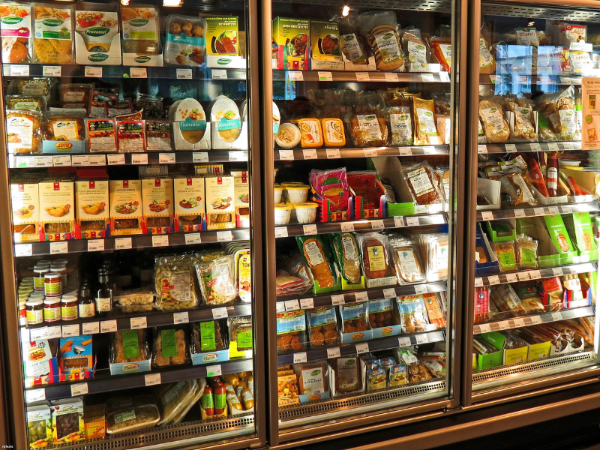
Commercial refrigeration systems run non-stop under heavy load, meaning their servicing schedule must be driven by equipment demands and environment rather than calendar dates. While standard display fridges in clean, climate-controlled spaces perform reliably on a six-month (biannual) schedule, high-demand equipment including walk-in coolrooms, sub-zero freezers, commercial ice machines, and line fridges exposed to airborne kitchen grease and coastal salt air requires quarterly (every 3 months) servicing. Adhering to these structured intervals prevents catastrophic stock loss, cuts power consumption caused by choked condenser coils, preserves manufacturer warranties, and satisfies mandatory food safety and ARC compliance standards.
Understand How Often You Should Service Your Commercial Refrigeration
Commercial refrigeration systems operate continuously, often under heavy load and in demanding environments. Unlike almost any other equipment in your business, they never get a break.
Knowing how often to get your commercial refrigeration system serviced ensures that you have well maintained and up-to-date serviced equipment, eliminating any major breakdowns or costly repairs that can affect your business.
Regular servicing ensures your coils stay clean, operating pressures remain balanced, temperatures stay strictly compliant with food safety regulations, and small component wear is caught before it burns out a compressor.
Ultimately, your service frequency comes down to the type of venue you operate, the equipment you rely on, and the physical demands of your daily environment.
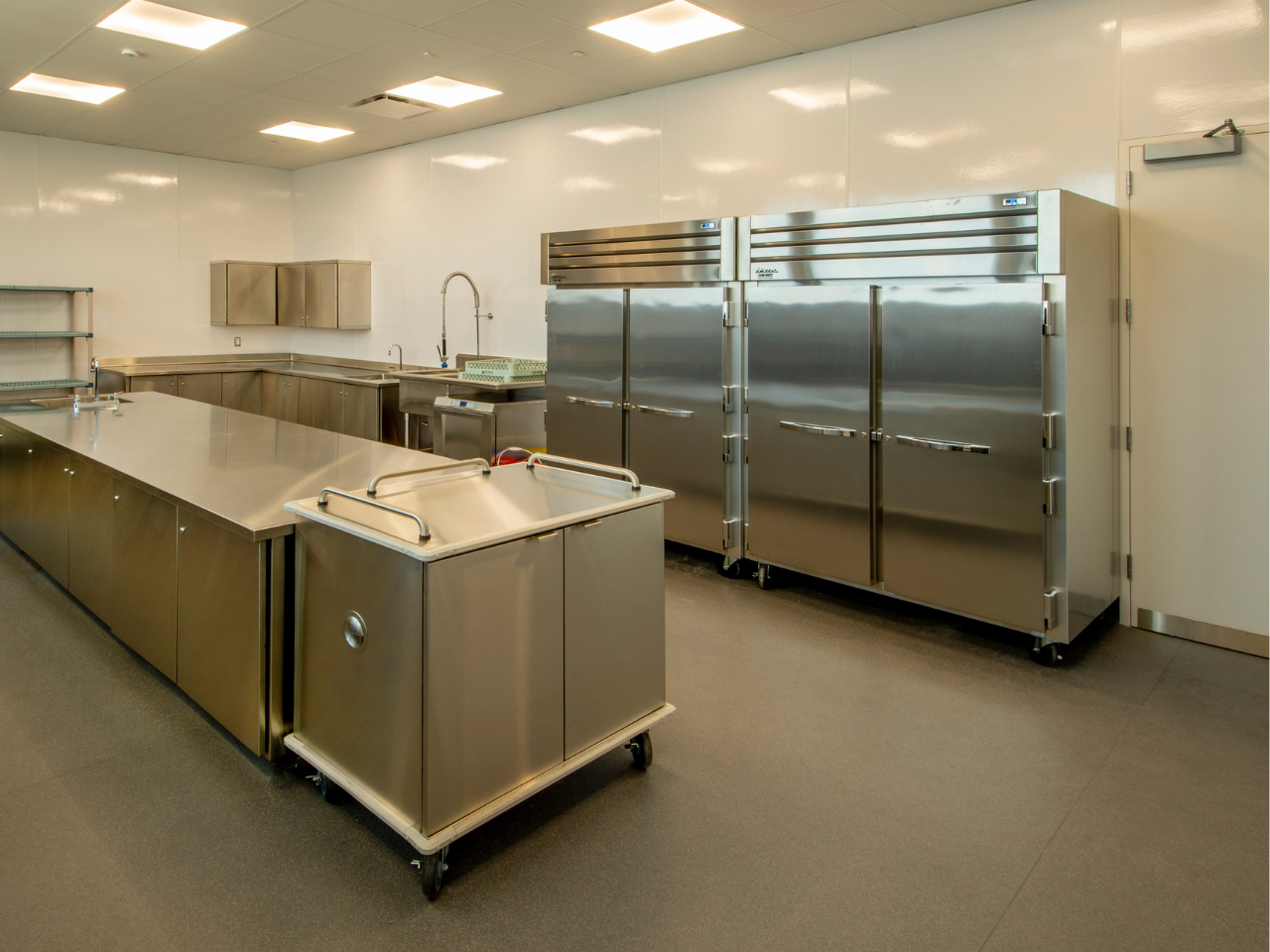
Commercial Refrigeration Servicing Schedules: What Is Required
Commercial refrigeration systems operate under continuous thermodynamic load.
Unlike standard residential systems, scheduling commercial service is dictated by strict food-safety compliance (HACCP/FSANZ), warranty preservation from compressor manufacturers (e.g., Bitzer, Copeland, Tecumseh), and Australian refrigeration containment regulations (ARC).
Here is the exact servicing schedule required for each class of commercial refrigeration equipment.
Walk-in Coolrooms and Freezer Rooms: Every 3 Months (Quarterly)
Walk-in rooms protect high-value stock and run complex, remote split refrigeration systems. They require servicing every quarter because a minor failure compounds rapidly in large insulated enclosures.
Scheduled Servicing Tasks:
- Evaporator defrost performance: Verifying electric defrost element amp draws, termination switches, and defrost interval timers to prevent ice-strangling the coil.
- Drain line heaters: Ensuring condensate heater elements in sub-zero freezer rooms are functioning so drain trays do not freeze over, spill, and turn into floor ice hazards.
- Refrigerant pressure checks: Logging suction and discharge pressures against ambient conditions to detect subtle line leaks early.
- Panel integrity & door hardware: Inspecting thermal breaks, pressure relief vents, door heater cables, and internal safety release latches.
Kitchen-Line Fridges, Prep Counters & Drawers: Every 3 Months
Units running on the cooking line work in high ambient heat (often exceeding 35°C) and pull grease-heavy, humid air straight into the condensing units.
Scheduled Servicing Tasks:
- Condenser chemical wash: Degreasing coils where hot oil and dust form a thermal blanket that blocks airflow and burns out compressor motor windings.
- Door and drawer gaskets: Testing magnetic pull and inspecting the bottom edges of door seals where grease pools, hardens, and splits the rubber.
- Thermostat and probe calibration: Cross-referencing physical core probes against digital controllers to ensure food stays under the 5°C threshold mandated by Food Safety Standard 3.2.2.
Commercial Ice Machines: Every 3 Months
Ice machines handle water directly for human consumption. In addition to mechanical wear, mineral calcification and slime buildup demand a mandatory quarterly hygiene cycle.
Scheduled Servicing Tasks:
- Chemical descaling: Flushing food-safe acid descalers through the water distribution tubes, sump, and freeze plate to strip calcium buildup.
- Sanitisation cycle: Treating water trays and evaporator grids with antibacterial wash to prevent biofilm and mould contamination.
- Harvest cycle diagnostics: Checking water inlet solenoids, hot gas bypass valves, and freeze-cycle cut-off timers.
- Filtration renewal: Replacing sediment and carbon water filter cartridges to prevent scale intrusion.
Front-of-House Display & Upright Storage: Every 6 Months
Display fridges and standalone upright storage in dining rooms or bottle shops operate in comparatively clean, climate-controlled spaces. They require professional servicing twice a year, ideally in spring (prior to peak summer thermal loads) and autumn (to rectify summer wear).
Scheduled Servicing Tasks:
- Condenser coil clearing: Removing lint, dust, and dry debris from the fin pack.
- Motor & electrical testing: Measuring the operating current (running amps) on evaporator and condenser fan motors against nameplate specifications.
- Gas leak detection: Bubble or electronic leak detection on all flare fittings, access valves, and vibration bends.
What Determines Your Service Interval?
Refrigeration schedules shouldn't be based on a calendar date, they depend on how hard the machinery has to work
1. Airborne Grease and Dust
If your fridge or coolroom condensing unit sits in or near a kitchen line with deep fryers, char grills, or heavy flour usage, standard six-month intervals are too long. Airborne grease gets pulled straight into the condenser fins, acting like glue for dust and lint. Once a coil is blanketed in grease, air cannot pass through it to reject heat, forcing the compressor to run hotter and longer until it burns out.
2. High Foot Traffic and Door Openings
A prep counter or display fridge opened fifty times an hour during lunch service behaves very differently to a storage unit opened twice a day. Every door opening pulls in warm, humid air, placing extra load on the system and leading to ice build-up on the evaporator coils.
3. The Coastal Environment
Operating on the coast introduces salt spray and elevated humidity. Salt accelerates corrosion on outdoor condensing units and raw aluminium coils, leading to pinhole gas leaks and fan motor seizures. Regular servicing in coastal areas allows technicians to wash away salt deposits and catch surface corrosion before you lose your refrigerant charge.
4. Food Safety and Insurance Compliance
If you are logging temperatures for council health checks or HACCP compliance, a documented service history isn't just best practice—it’s protection. If an unserviced unit fails overnight and ruins thousands of dollars in stock, insurers frequently ask for maintenance logs before approving a claim.
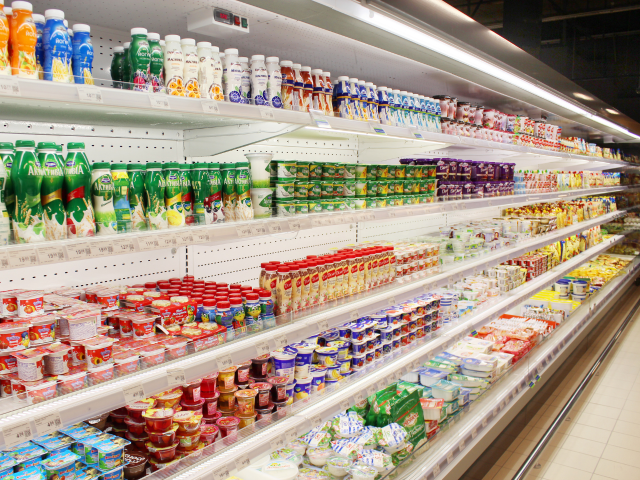
What a Proper Commercial Service Actually Involves
A genuine service visit is not just a technician wiping down the stainless steel and sticking a date label on the side. When we inspect a commercial system, the scope covers:
- Chemical coil wash: Stripping grease, lint, and salt crusting out of the condenser fins so the system can breathe properly.
- Operating pressure & gas leak checks: Measuring suction and discharge pressures to verify the refrigerant charge is exact. Undercharged systems run constantly and overheat; overcharged systems strain valves.
- Electrical load testing: Testing the running amps on the compressor and fan motors against manufacturer specs to catch failing components before they trip the board.
- Door seals and hardware: Inspecting gaskets for cracks, splits, or lost magnetism. A perishing $40 seal can easily add hundreds of dollars to your quarterly power bill by leaking cold air continuously.
- Defrost cycles and drainage: Clearing evaporator drain lines to prevent pooling water, ceiling dripping, and iced-over evaporator coils.
- Temperature calibration: Checking that the digital controller’s display matches the actual internal core temperature of your stock.
What Venue Staff Should Check Between Visits
While the mechanical work requires an ARC-licensed technician, a few basic habits between scheduled visits will save you thousands:
- Give the units breathing room: Never stack boxes, milk crates, or dry stock directly against the ventilation grilles of underbench fridges or drop-in units.
- Wipe door seals weekly: Food spills and oil degrade rubber gaskets rapidly. Keeping them clean doubles their working life.
- Listen for tone changes: Staff know the kitchen sounds better than anyone. If a compressor starts rattling, a fan begins vibrating, or a unit suddenly hums constantly without cycling off, call someone in before it fails completely.

Set Up a Maintenance Schedule That Fits Your Kitchen
Running commercial refrigeration until it stops is the most expensive way to manage commercial equipment. Emergency callouts, after-hours labour rates, and discarded stock cost far more than a routine seasonal check.
Whether you run a single busy cafe prep line or multiple walk-in rooms, we can assess your equipment load and map out a practical, scheduled service plan that keeps your stock cold and your doors open.
Talk to the team at Coastal Air Heating and Cooling to arrange a commercial refrigeration assessment.
Published by: