Last Update: 25 August 2026
This guide breaks down the ten most common commercial refrigeration problems, from temperature spikes and frost buildup to water leaks and salt-air coil corrosion helping business owners across hospitality, retail, and healthcare spot equipment issues before they cause costly downtime. It outlines immediate staff checks, clear boundaries for when to call an ARC-licensed technician, and critical emergency protocols like the FSANZ 3.2.2 2-hour/4-hour rule to protect valuable inventory. Paired with a downloadable preventative maintenance checklist, the page provides businesses with the practical tools and expert support needed to keep their cooling systems running efficiently year-round.
10 Common Commercial Refrigeration Problems (and How to Protect Your Business)
Don't Let Your Cold Room Fail: Prevent Common Commercial Refrigeration Disasters
Commercial refrigeration is a necessity for the hospitality industry, retail, and healthcare businesses, and a failing commercial fridge isn't just an inconvenience, it’s an emergency.
Commercial refrigeration malfunctions can lead to sudden temperature spikes that can lead to thousands of dollars in spoiled inventory, health compliance violations, and unexpected downtime.
Catching early signs of refrigeration trouble can mean the difference between a quick service to restore it and a complete system failure.
In this guide, the team at Coastal Air Heating & Cooling breaks down the most common commercial refrigeration problems, how to spot them early, and what preventive steps you can take to keep your operations running cold with minimal downtime to your business.
1. Temperature Spikes and Unstable Cooling
Inconsistent internal temperature is often the very first sign of an underlying mechanical failure.
The biggest issue for inconsistent internal temperature is the Compliance Risk. Under Food Standards Australia New Zealand (FSANZ) Standard 3.2.2, potentially hazardous food must strictly be held at or below 5°C. Allowing cabinet temperatures to float above this threshold accelerates bacterial growth and risks immediate regulatory fines.
Common Causes
- Clogged or dirty condenser coils
- Degraded door gaskets
- Low refrigerant levels
- Blocked internal air passages
Symptoms To Watch For
- Soft ice cream
- Warm spots near top shelves
- Premature food spoilage
- Unusual condensation on internal cabinet walls.
What To Check On
- Ensure stock is loaded correctly and leaves at least 15cm of spatial clearance around internal air vents.
- Check that external ventilation ports aren't blocked by boxes or kitchen prep tables
When To Call Us
If temperatures remain above 5°C after 2 hours of clearing air pathways, your system likely requires a professional refrigerant pressure check or thermostat recalibration.
2. Excessive Frost & Evaporator Coil Icing
While freezers naturally run cold, thick layers of solid ice over the coils signal a breakdown in the moisture management cycle.
There is a large Coastal Factor. High ambient moisture levels common in coastal climates enter the cabinet every time a door opens, causing rapid frost accumulation if your defrost system isn't running at 100%.
Common Causes
- A faulty defrost heater or timer
- Damaged door seals
- Doors left ajar during peak loading hours
Symptoms To Watch For
- Visible ice blocks forming over fan guards or evaporator fins
- Reduced airflow into the cabinet
- Distinct clicking sound as the motor trips its safety overload.
When To Call Us
Certain parts such as the defrost timer recalibration, heating element replacements, and coil de-icing require electrical service by an experienced technician. We are licensed and are able to do this safely.
3. Water Pooling & Drainage Leaks
Puddles beneath or inside a commercial fridge are more than just a slip hazard, they point directly to internal drainage blockages.
Common Causes
- Algae or fat build-up inside the defrost drain line
- A cracked under-chassis drain pan
- Frozen drain troughs.
Symptoms To Watch For
- Water pooling at the base of the unit
- Musty odors lingering near bottom vents
- Damp bottom cardboard packaging.
When To Call Us
When pooling continues, technicians must clear deep-line blockages using pressurised nitrogen or replace cracked drainage trays.
4. Short Cycling or Continuous Running
A refrigeration system that clicks on and off constantly or refuses to turn off at all is under extreme mechanical stress.
Overworked compressors draw continuous high amperage. A unit running non-stop can increase monthly power draw by 20% to 30%, throwing off your operating margins under GEMS/MEPS efficiency baselines.
Common Causes
- Failing temperature probes
- Low refrigerant charge
- Severely restricted condenser airflow.
Symptoms To Watch For
- Rapid clicking every few minutes
- Hot air radiating from the motor housing
- Sudden spike in energy bills.
When To Call Us
Continuous running or short-cycling requires electronic sensor diagnostics, electrical relay testing, or leak-detection sweeps to locate lost refrigerants.
5. Grinding, Squealing, or Rattling Noises
Commercial cooling systems produce a constant operational hum, but new or sharp metallic sounds signal mechanical breakdown.
Common Causes
- Worn fan motor bearings
- Loose mounting brackets
- Failing compressor internal valves
Symptoms To Watch For
- High-pitched squealing on startup
- Loud metallic grinding
- Heavy cabinet vibration against surrounding benches.
When To Call Us
Internal compressor noises indicate valve wear. Immediate inspection can prevent complete motor failure.
6. Damaged or Worn Door Gaskets
Door seals are your equipment's first line of defense. When rubber seals split or harden, warm ambient air leaks continuously into the cold space.
Common Causes
- Heavy everyday foot traffic
- Grease buildup dissolving the vinyl
- Natural wear over time.
Symptoms To Watch For
- Moisture beads forming along outer door frames
- Doors springing open slightly on their own
- Localised frost patches near door joints.
When To Call Us
Gaskets that are split, torn, or hard must be replaced with custom-fit profiles to restore an airtight seal. Out team can professionally and safely handle this service.
7. Salt Air & Condenser Coil Corrosion
For businesses operating near oceanfront zones, salt air poses a specific threat to outdoor refrigeration systems. Airborne salt particles settle on aluminum condenser fins, accelerating oxidation. This creates micro-fissures over time, allowing refrigerant to escape silently.
Common Causes
- Extended exposure to salt-laden coastal winds without routine preventative fresh-water rinsing.
Symptoms To Watch For
- Flaking green or white oxidation on coil fins
- Bent fins
- Steady loss of cooling capacity over time.
When To Call Us
Our technicians can apply specialised anti-corrosion barrier coatings to protect outdoor coils and conduct pressure tests to verify system integrity.
8. Foul Odors & Internal Mold
Persistent odors inside your commercial refrigerator points to sanitation risks that can trigger compliance failures during health inspections.
Common Causes
- Mold growth in hard-to-reach drip trays
- Stagnant condensation buildup
- Decaying organic material behind evaporator shrouds
Symptoms To Watch For
- Sour or musty smells that return short periods after standard staff wiping routines.
When To Call Us
When you call our technicians, they can safely isolate power, remove internal paneling, and flush inaccessible drainage channels and fan assemblies.
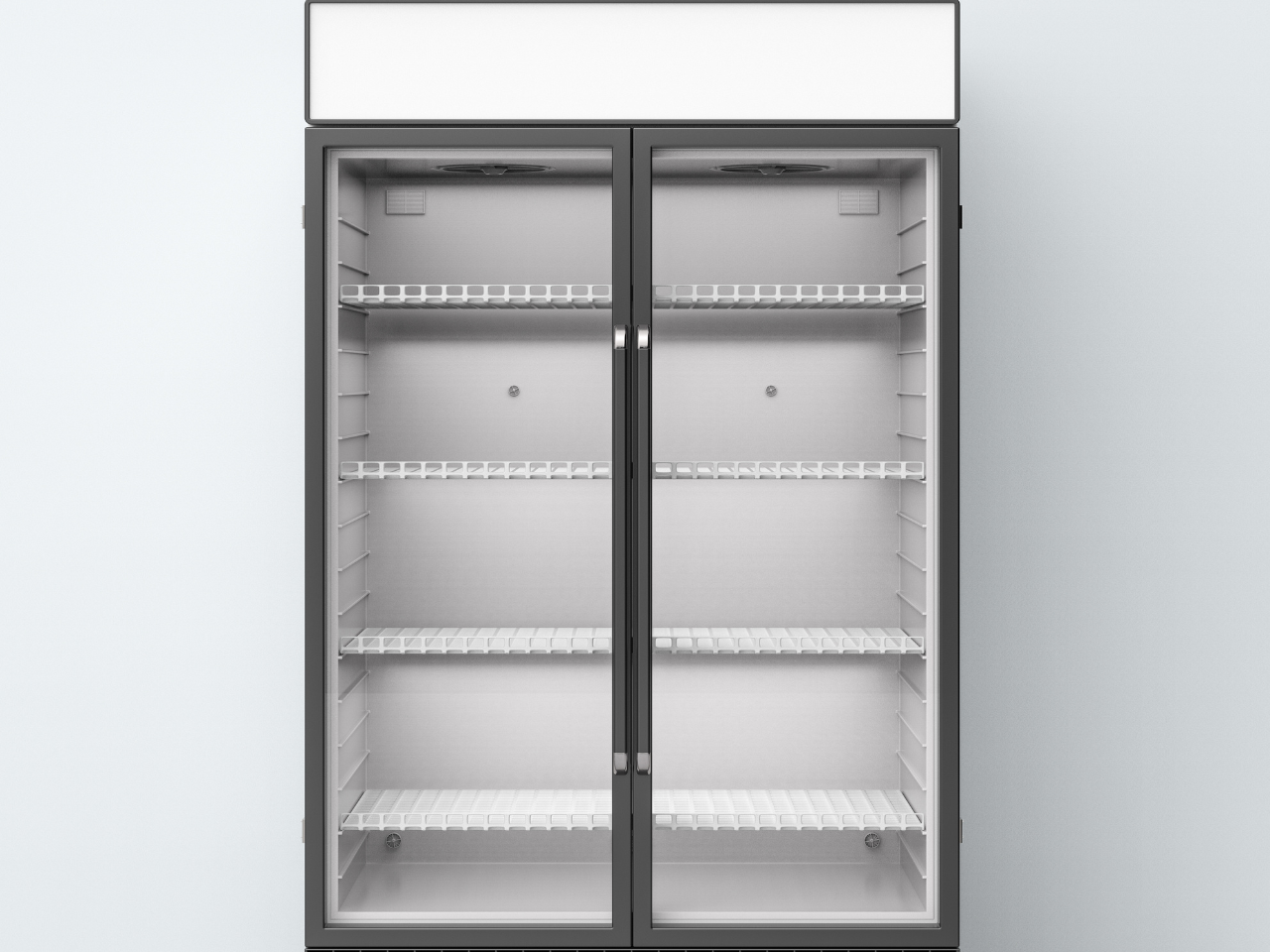
9. Digital Controller & Display Failures
Modern commercial refrigeration relies heavily on digital control boards to manage defrost cycles, fan delays, and setpoint temperatures.
Common Causes
- Electrical surges
- Internal moisture intrusion into control touchpads
- Loose internal wiring terminals.
Symptoms To Watch For
- Flashing error codes (such as E1, E2, or LA), unreadable LED segments
- Non-responsive temperature adjustment buttons.
What To Check On
- Perform a hard reset by switching off the breaker supplying power to the refrigeration unit, waiting 60 seconds, and turning it back on.
When To Call Us
If error codes persist after a power reset, an ARC-licensed electrician or technician needs to test sensor resistance and control board circuits.
10. Complete System Shutdown
A complete loss of power or cooling output is the ultimate emergency for any commercial kitchen refrigeration or facility.
Common Causes
- Tripped internal safety overload switches
- Burnt-out compressor windings
- Failed main contactors.
Symptoms To Watch For
- Internal cabinet lights out
- Zero fan movement
- Rapidly rising internal storage temperatures
When To Call Us
If the circuit breaker trips immediately upon resetting, do not attempt to force it. Call Coastal Air Heating & Cooling immediately for emergency dispatch.
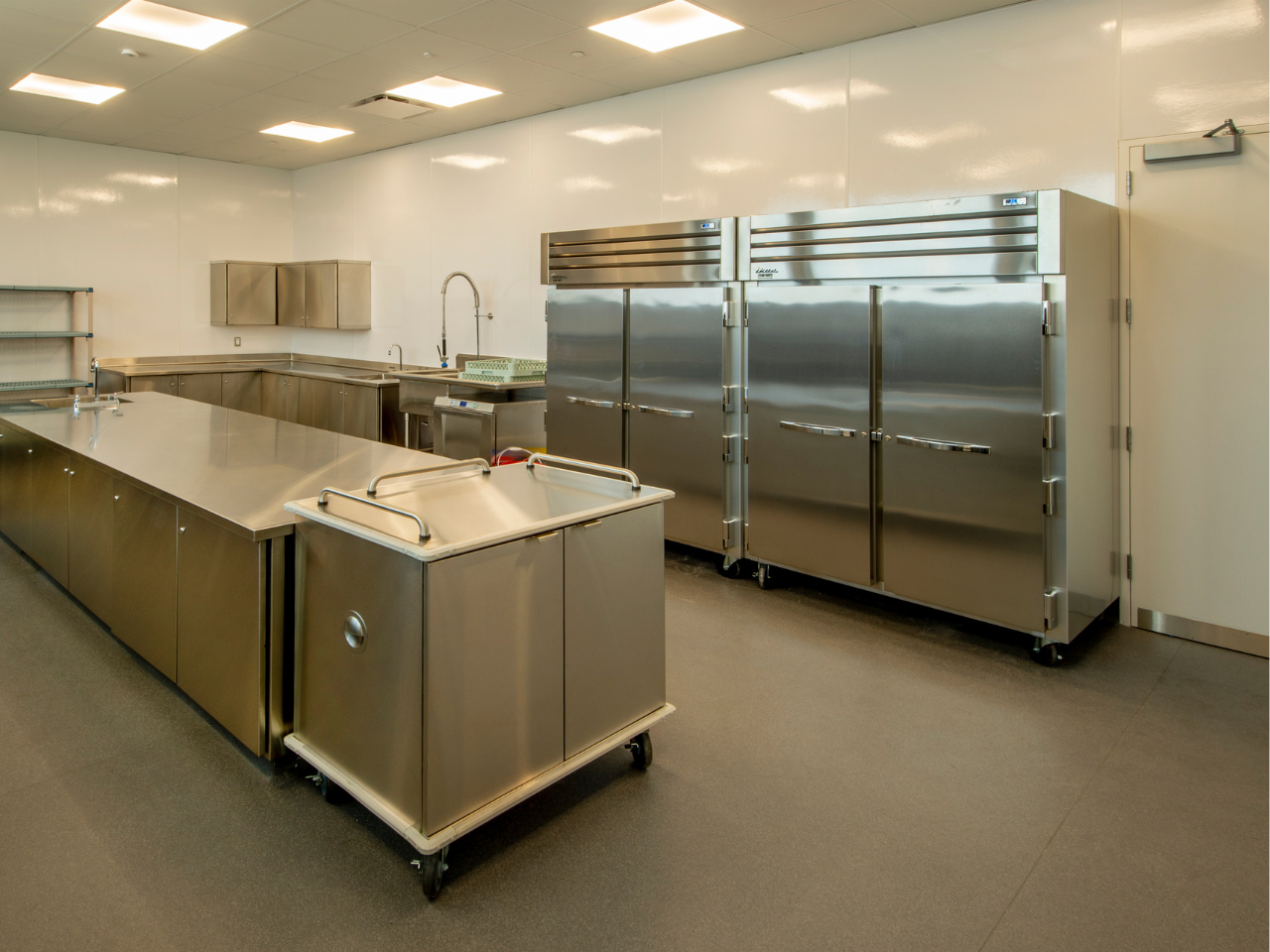
Emergency Protocol: How to Protect Inventory During a Breakdown
If your commercial cooling refrigeration system shuts down completely, follow this step-by-step emergency procedure to preserve perishable stock:
- Keep Doors Sealed: A closed walk-in or cabinet fridge will maintain safe internal temperatures for up to 4 hours if doors remain tightly shut.
- Log Cabinet Temperatures: Use a calibrated probe thermometer to record internal temperatures every 30 minutes for compliance logging.
- Apply the 2-Hour / 4-Hour Rule:
- Food held between 5°C and 60°C for under 2 hours can be safely moved to alternative cold storage.
- Food held in that zone for 2 to 4 hours must be used immediately.
- Food held above 5°C for more than 4 hours must be discarded under Australian food safety guidelines.
Frequently Asked Questions
How often should commercial condenser coils be cleaned?
Condenser coils should be professionally cleaned every 1 to 3 months. Kitchens with high grease exposure (such as deep frying stations) or locations close to the coast require monthly cleaning to prevent energy draw spikes and compressor overheating.
Is a clicking noise a definitive sign of compressor failure?
Not necessarily. A distinct clicking noise usually means the compressor's thermal overload switch is tripping to protect the motor from overheating often due to a dirty coil or failed fan. Prompt service can resolve the heat issue before the compressor burns out permanently.
What causes rapid ice buildup inside a walk-in freezer?
Ice buildup is usually caused by warm, moist air entering through broken door seals, extended door openings during deliveries, or a failure in the automated defrost heater cycle.

Need Fast Commercial Refrigeration Service or a Preventative Maintenance Audit?
Don't wait for a temperature alarm to shut down your business. Speak with an ARC-licensed Coastal Air technician today.
Published by: