Last Update: 17 September 2026
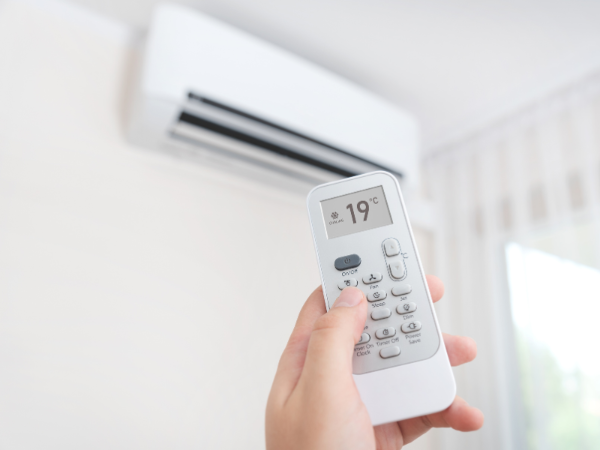
Learn how to improve air conditioning efficiency in your home with practical tips for reducing energy use, improving airflow and maintaining consistent indoor comfort. From routine maintenance and temperature settings to cleaning, insulation, zoning and knowing when your system may need servicing or replacement, this guide covers simple ways to help your air conditioner work more efficiently.
How to Improve Air Conditioning Efficiency in Your Home
Air conditioning efficiency isn't just about keeping your power bills down.
An efficient system can maintain a more consistent indoor temperature, reduce unnecessary strain on your air conditioner and help improve indoor comfort.
The good news is that improving efficiency doesn't always mean replacing your air conditioner.
Simple changes to how you use and maintain your system can make a noticeable difference.
Signs Your Air Conditioner Isn't Running Efficiently
Not sure whether your AC is working as efficiently as it should? Look out for these signs:
- Higher energy bills: Your electricity usage has increased without a major change in how you use your system.
- Running for longer: Your air conditioner seems to run constantly or takes much longer to reach the temperature you've selected.
- Inconsistent temperatures: Some rooms are comfortable while others remain noticeably warmer or colder.
- Weak airflow: Air isn't coming through the vents or indoor unit as strongly as it normally does.
- Poor indoor air quality: Dust, stale air or unusual odours can indicate that filters or other components need attention.
- More frequent cycling: The system repeatedly turns on and off rather than maintaining a relatively consistent temperature.
How to Make Your Air Conditioner More Efficient
Keep Up With Routine Maintenance
Regular air conditioning servicing helps your air conditioner operate as it was designed to.
Our qualified technicians can check components such as filters, coils, electrical connections, refrigerant levels and airflow, while identifying issues that could be making the system work harder than necessary.
For homeowners, maintenance is particularly important before periods of heavy use. Finding a problem before summer or winter arrives can help avoid a system struggling when you need it most.
Regulate Your Temperature for Seasonal Efficiency
Setting your air conditioner to an extreme temperature doesn't make your home cool or warm faster. It can simply make the system work harder and run for longer.
Instead, choose a comfortable temperature and avoid constantly adjusting the thermostat.
During summer, keeping the home slightly warmer than an extremely cold setting can reduce cooling demand. In winter, the same principle applies by avoiding unnecessarily high heating temperatures.
Use Blinds and Curtains to Reduce Heat Gain
Your air conditioner isn't the only thing controlling your home's temperature.
Direct sunlight through windows can significantly increase the heat inside your home, particularly in rooms with large north- or west-facing windows.
Close blinds, curtains or external shading during the hottest parts of the day to reduce heat entering the room. This gives your air conditioner less work to do.
Use Your Thermostat and Timers Properly
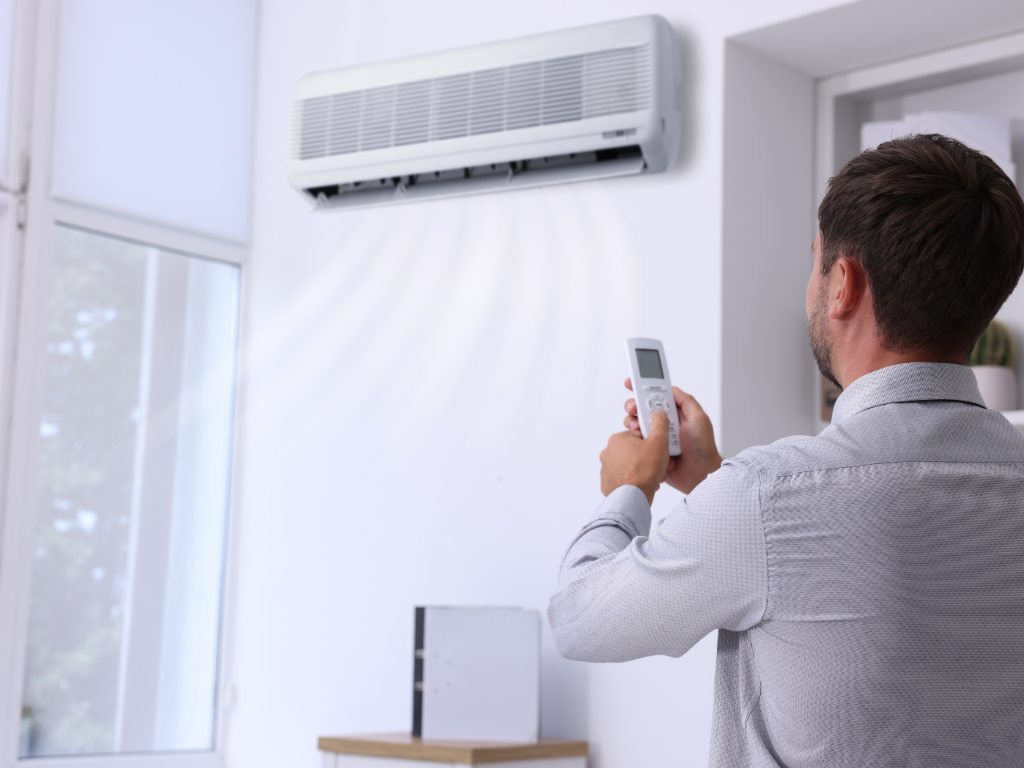
Timers and programmable controls can help prevent your air conditioner from running unnecessarily.
For example, you can schedule your system around your normal routine rather than leaving it running at the same temperature all day.
If your system has smart controls, you may also be able to adjust temperatures and zones remotely.
For ducted air conditioning systems, zoning can make an even bigger difference. Rather than conditioning the entire house equally, you can direct heating or cooling towards the areas you're actually using.
Keep Your Air Conditioner Clean
Dust and debris can restrict airflow and affect how efficiently your system operates.
For a split system, regularly check and clean the filters according to the manufacturer's instructions. Keep the outdoor unit clear of leaves, dirt, plants and other obstructions.
For ducted systems, vents should also be kept clear so air can move freely through the home.
If cleaning doesn't resolve poor airflow or the system still appears to be struggling, it may be time for a professional inspection.
Don't Block Your Vents or Indoor Unit
Furniture, curtains and other objects can restrict airflow from an indoor split system or ducted outlet.
Make sure air can circulate freely around the indoor unit and that ducted vents aren't covered or obstructed.
Good airflow helps distribute conditioned air more effectively, meaning your system doesn't have to work unnecessarily hard to achieve the desired temperature.
Improve Your Home's Insulation
Sometimes the problem isn't the air conditioner, it's how quickly your home gains or loses heat.
Good insulation helps keep cooled air inside during summer and retain warmth during winter.
Roof insulation is particularly important because your roof space can transfer a significant amount of heat into the home.
Sealing obvious gaps around doors and windows can also help prevent conditioned air from escaping.
Make Sure Your Air Conditioner Is the Right Size
An air conditioner that is too small may need to run for extended periods to reach the desired temperature.
But bigger isn't automatically better either.
An oversized system can cycle on and off more frequently and may not provide the consistent performance you're looking for.
The right capacity depends on factors including:
- The size and layout of your home
- Ceiling height
- Insulation
- Window size and orientation
- Direct sunlight
- Number of occupants
- Open-plan areas
- How the rooms are used
If your current system struggles to keep up even with good maintenance and sensible settings, it may be worth having the system assessed rather than simply turning the temperature up or down.
Use Your Air Conditioner Around Your Home's Actual Needs
Your home's usage changes throughout the day.
Bedrooms may only need cooling at night, while living areas are used during the afternoon and evening. Similarly, a home office may need to be comfortable during working hours but not throughout the rest of the day.
This is where zoning, timers and smart controls can help.
Instead of conditioning every room equally, your system can be managed around when and where comfort is actually needed.
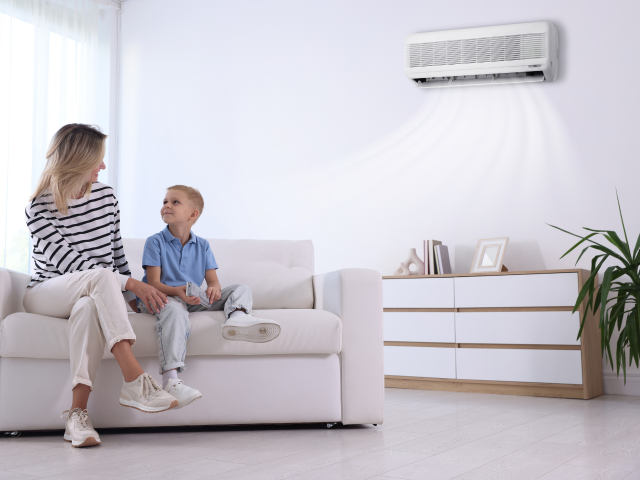
When Is It Time to Replace Your Air Conditioner?
Maintenance and better usage can improve efficiency, but there comes a point where an older system may simply be costing more to operate.
Consider having your system assessed if it is:
- Increasingly expensive to run
- Requiring frequent repairs
- Struggling to maintain temperature
- Making unusual noises
- Losing airflow
- Using older technology compared with current systems
A newer, correctly sized and properly installed system can provide more efficient heating and cooling, but replacement isn't always necessary.
Our licensed technicians can help determine whether servicing, repairs or replacement makes the most sense.
Efficiency Starts With How Your System Is Designed
Air conditioning efficiency isn't just about the temperature on your thermostat.
The system's size, installation, airflow, ductwork, zoning, placement and the way your home gains and loses heat all affect performance.
If you're constantly adjusting the temperature but certain rooms still aren't comfortable, the problem may require more than a thermostat change.
Our team at Coastal Air Heating & Cooling can assess your existing system and help identify practical ways to improve comfort and efficiency in your home.

Need help with your air conditioner or a new air conditioner installation?
Contact our team at Coastal Air Heating and Cooling on 0440 133 039
Published by: